Exploring the Intricate World of Shogun: A Timeless Strategy Game
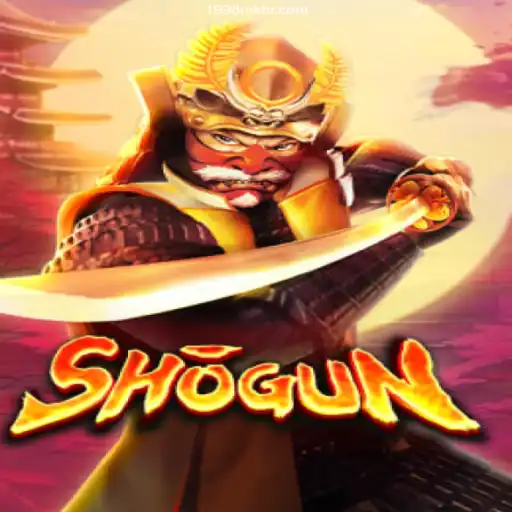
h1 The Art of Strategy: A Journey into Shogun
p Shogun is a classic board game that transports players to the era of feudal Japan, where samurai and warlords vie for power and control over regions. This game, often heralded as a masterpiece in the realm of strategy, draws its inspiration from historical conflicts and power dynamics that defined Japan during the Sengoku period. As we delve into the game's intricacies, we explore its history, gameplay mechanics, and the enduring appeal that continues to capture the hearts of strategy enthusiasts worldwide.
h2 Introduction to Shogun
p The genesis of Shogun dates back to a time when board games served as both entertainment and tools for intellectual exercise. Designed to reflect the complex socio-political landscape of Japan from the 15th to 17th centuries, Shogun offers an immersive experience that challenges players to think critically and strategize effectively. Players assume the roles of daimyo, powerful landholders, tasked with expanding their territories through skillful management and tactical battles.
p In recent years, the popularity of strategic board games like Shogun has witnessed a resurgence. This can, in part, be attributed to the global pandemic, where more individuals found solace in tabletop gaming as a means to connect with friends and family while adhering to social distancing measures. In Brazil, a country renowned for its vibrant gaming culture, platforms such as 1998MK have capitalized on this renewed interest, offering enthusiasts a space to explore games like Shogun.
h2 The Game's Description
p Shogun is played on a detailed map of Japan, depicting various provinces that players aim to conquer. Participants are equipped with a series of components including armies, provinces, and resources that they must strategically manage over the course of the game. The objective is simple yet profound: outmaneuver opponents to achieve dominance over as many territories as possible.
p Each player begins with a set number of provinces and resources, creating a level playing field that evolves based on the decisions made and strategies employed. The game unfolds over several rounds, each divided into a series of distinct phases including planning, action, and bids for the shogunate, all of which contribute to the dynamic nature of the gameplay.
h2 Rules and Mechanics
p A key feature of Shogun is its unique blend of tactical warfare and resource management. The game is typically composed of several phases, each of which demands a different strategic approach from the players:
strong Planning Phase strong: During the planning phase, players secretly allocate their resources and forces across different provinces. This phase is marked by anticipation as players formulate their plans to expand territories or defend against impending attacks.
strong Action Phase strong: As the veil of secrecy lifts, players reveal their plans and execute their actions. Battles occur as rival forces meet in contested provinces, determined by a unique combat resolution mechanism that simulates the uncertainties of war.
strong Construction Phase strong: Following the tumultuous action phase, players enter the construction phase where provinces can be developed, enhancing their resource generation or fortifying defenses.
strong Winter Phase strong: The game year concludes with the winter phase, where players assess their resources, recalibrate their strategies, and prepare for the forthcoming year's battles.
p The balance between aggression and diplomacy is critical in Shogun. Savvy players must weigh the benefits of conquering new territories against the risk of overextending their resources, leaving them vulnerable to counterattacks. Additionally, forming alliances can be advantageous, albeit temporary, as the shifting dynamics require constant vigilance and adaptability.
h2 Shogun's Place in Modern Gaming
p While Shogun has established itself as a staple in the world of strategic board games, its legacy continues to evolve among contemporary audiences. The digital age has ushered in new iterations of the game, allowing players to engage with its complex mechanics through online platforms and virtual adaptations. Moreover, ongoing advancements in AI and machine learning have sparked discussions about their potential integration into strategy games, offering players enhanced opponents and more diverse gameplay experiences.
p This interplay between traditional board gaming and modern technology resonates profoundly within the bustling communities of esports and digital gaming platforms like Brazil's renowned 1998MK. As these platforms expand their offerings, they not only celebrate classic games like Shogun but also provide a breeding ground for new gaming experiences that are both competitive and socially engaging.
p The enduring appeal of Shogun lies in its capacity to challenge and captivate players both old and new. Its roots in historical events and its reliance on player intuition and strategic acumen create a timeless experience that bridges generations, continuing to inspire a diverse array of gaming enthusiasts around the globe.
